
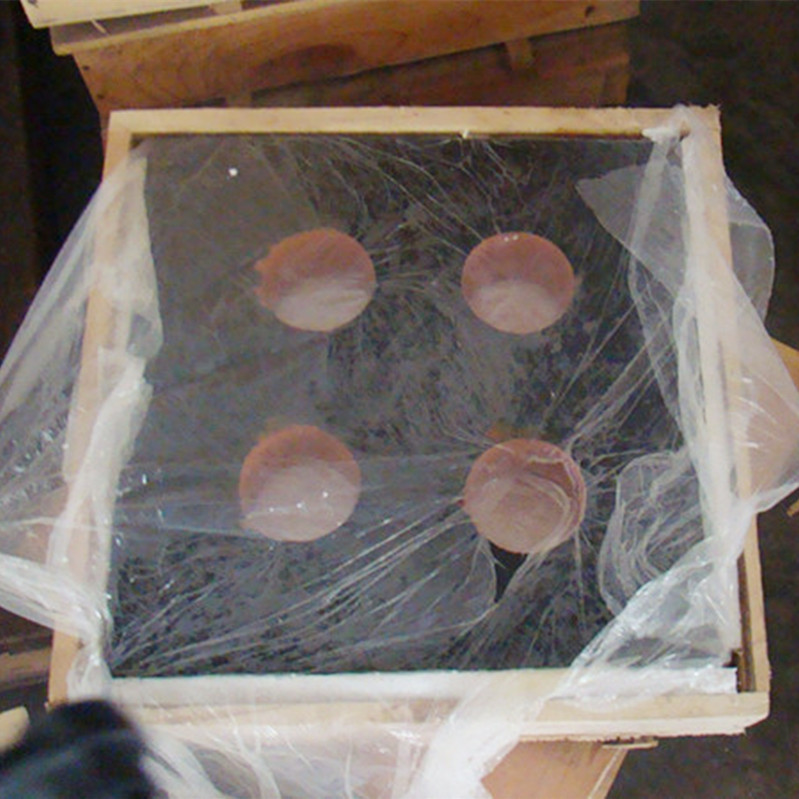
what is laminated safety glass
Understanding the 60% Butterfly Valve A Comprehensive Guide Butterfly valves are a critical component in various industries, functioning as devices that regulate the flow of fluids through pipes. Among the many designs available, the 60% butterfly valve stands out due to its unique capabilities and applications. This article will delve into the characteristics, advantages, and typical uses of the 60% butterfly valve, providing insights for engineers, manufacturers, and technicians. What is a Butterfly Valve? A butterfly valve consists of a circular disk or vane mounted on a rotating shaft. When the disk rotates, it either blocks or allows the flow of fluid. The term butterfly comes from the design of the valve, which resembles a butterfly's wings when opened. Butterfly valves are widely utilized in HVAC systems, water treatment plants, chemical processing, and various other industries due to their efficient operation and compact design. The 60% Butterfly Valve Specifics The designation 60% in the context of butterfly valves typically refers to the opening characteristics or the position at which the valve effectively controls fluid flow. A 60% open butterfly valve allows a significant portion of the valve's area to be open while still providing control over the fluid dynamics. This can make the valve particularly useful in applications requiring precise flow regulation without fully opening the valve. Advantages of the 60% Butterfly Valve 1. Flow Control The 60% butterfly valve offers better flow control compared to fully open or closed designs. This capability allows for improved management of fluid dynamics, reducing turbulence and pressure drops that can affect system efficiency. 2. Compact Design Butterfly valves are generally more compact than other types of valves (such as gate or globe valves). The space-saving nature of the 60% butterfly valve makes it ideal for installations where space is limited. 3. Quick Operation The mechanism of a butterfly valve enables quick operation. The valve can be opened or closed with a simple quarter-turn motion, allowing for rapid adjustments to flow. 60 butterfly valve 4. Cost-Effective Compared to other valve types, butterfly valves, including the 60% variant, are often more economically viable. Their simpler design can lead to lower manufacturing and installation costs, making them a popular choice for many applications. 5. Versatility The 60% butterfly valve accommodates a variety of fluids, including gases, liquids, and slurries. This versatility is essential in industries ranging from wastewater management to chemical processing. Typical Applications The 60% butterfly valve is frequently employed in various applications, including - Water Supply and Distribution Used to control the flow of water in municipal systems, ensuring efficient distribution without excessive pressure loss. - HVAC Systems Regulates airflow in heating and cooling systems, enhancing overall energy efficiency. - Chemical Processing Handles various chemicals and slurries with precision, making it suitable for plants that process corrosive materials. - Food and Beverage Ensures sanitary control over the flow of beverages and food products, meeting industry standards for hygiene. Conclusion The 60% butterfly valve is an invaluable tool for professionals involved in fluid dynamics and process management. Its ability to provide significant control over fluid flow, combined with its compact, cost-effective design, makes it an ideal choice for a wide range of applications. As industries continue to innovate and evolve, the importance of efficient fluid control devices like the 60% butterfly valve will only increase, playing a crucial role in optimizing operations across various sectors. Understanding and utilizing this valve can lead to improved efficiency, reduced costs, and enhanced systems performance.
about
what is laminated safety glass
Understanding Backflow Preventers and Check Valves In the world of plumbing and fluid dynamics, ensuring the safe and efficient flow of water is essential. Two crucial components that play a significant role in maintaining this integrity are backflow preventers and check valves. While these devices may appear similar, their functionalities are distinct and critical for various applications. What is a Backflow Preventer? A backflow preventer is a specialized device designed to stop the backward flow of contaminated water into the clean water supply. This device is most commonly used in commercial and industrial settings where the risk of contamination is high. Backflow can occur due to changes in water pressure, which may allow water from dirty sources (like irrigation systems or sewage lines) to siphon back into potable water supplies. Backflow preventers are typically installed at critical points in a plumbing system, such as at the entrance of a building or at specific fixtures that pose contamination risks. They often come in different configurations, including reduced pressure zone (RPZ) assemblies, double check valves, and atmospheric vacuum breakers. Each type serves a unique purpose, with some allowing for maintenance while others offer higher protection levels. The Importance of Backflow Prevention The importance of backflow preventers cannot be overstated. Without these devices, contaminants from non-potable sources could easily infiltrate the drinking water supply. The consequences can be dire, leading to public health crises, violations of health codes, and costly litigation. In fact, many jurisdictions have laws mandating the installation of backflow preventers in certain situations, particularly in commercial operations and areas with high contamination risks. What is a Check Valve? backflow preventer check valve A check valve, often referred to as a one-way valve, is a device that allows fluid to flow in one direction only, preventing backflow within a piping system. These valves are used in various applications, from residential plumbing systems to industrial processes. The design of a check valve is simple, typically consisting of a disk or ball that moves in response to fluid flow, sealing off the reverse flow. The primary function of a check valve is to maintain system pressure and prevent the backflow of fluids, which can lead to system inefficiencies or even damage. They are commonly used in water supply systems, sewage applications, and even in air and gas systems to ensure that the flow direction remains constant. Differences in Functionality While both backflow preventers and check valves serve to stop backflow, their applications and measures of effectiveness differ. Backflow preventers are specifically designed for preventing contamination and are often more complex, featuring multiple components to provide higher levels of protection. Check valves are primarily used for maintaining fluid movement in one direction and may not always offer a complete barrier against contaminants. Choosing the Right Device When it comes to selecting the appropriate device for your system, understanding the specific requirements and risks involved is crucial. For instance, if your application involves potable water and potential contamination from external sources, a backflow preventer is essential. Conversely, if your focus is on maintaining consistent fluid flow without leakage, a check valve may suit your needs better. Conclusion In summary, both backflow preventers and check valves are vital components in the realm of plumbing and fluid management. They ensure the integrity of water systems and protect public health by preventing the unwanted backflow of fluids. By understanding their differences and applications, you can make informed decisions that contribute to a safer, more efficient plumbing system. Whether in residential settings or industrial operations, these devices play a crucial role in safeguarding our water supplies and maintaining operational efficiency.
-

High quality industrial productsagement

High quality industrial products
View Details -

Meet the diverse needs of customers

Meet the diverse needs of customers
View Details -

Strict quality control

Strict quality control
View Details -

Top raw materials

Top raw materials
View Details -

Trusted supplier

Trusted supplier
View Details
Our application
news and information
Vertical Y Strainers for Efficient Liquid Filtration Solutions
vertical y strainer .
Versatile Clamps for Effective Fabrication Table Applications and Projects
Fabrication Table Clamps Essential Tools for Precision in Manufacturing In the realm of manufacturin

Y-Type Strainer for Efficient Filtration in Cast Iron Applications
cast iron y type strainer .
 English